Homemade Magnetron
Since I entered the EE field in high school, my internal litmus test for having proficient knowledge of the field has been “Can I build, from scratch and custom designed at every point, a microwave oven.“ Graduating from my master’s program, I absolutely think I can from the design and understanding side of things. So I wanted to try actually building one from end to end. This plans to involve the magnetron, transformer, timing or control circuits, and monitoring/sensing. For it to be completed to a level I am satisfied with, I should be able to microwave a burrito as per the burrito directions.
Currently I have designed the base code for the generation of a magnetron structure within HFSS. The code dynamically adjusts resulting target frequency based on dimensions to allow for tuning. This then generates a 3d model I have currently gone as far as to print. I am investigating options for fabrication now, the difficulty being the vacuum sealed requirements. mean that I need to enclose and evacuate the internals to achieve the particle acceleration generation of waves.
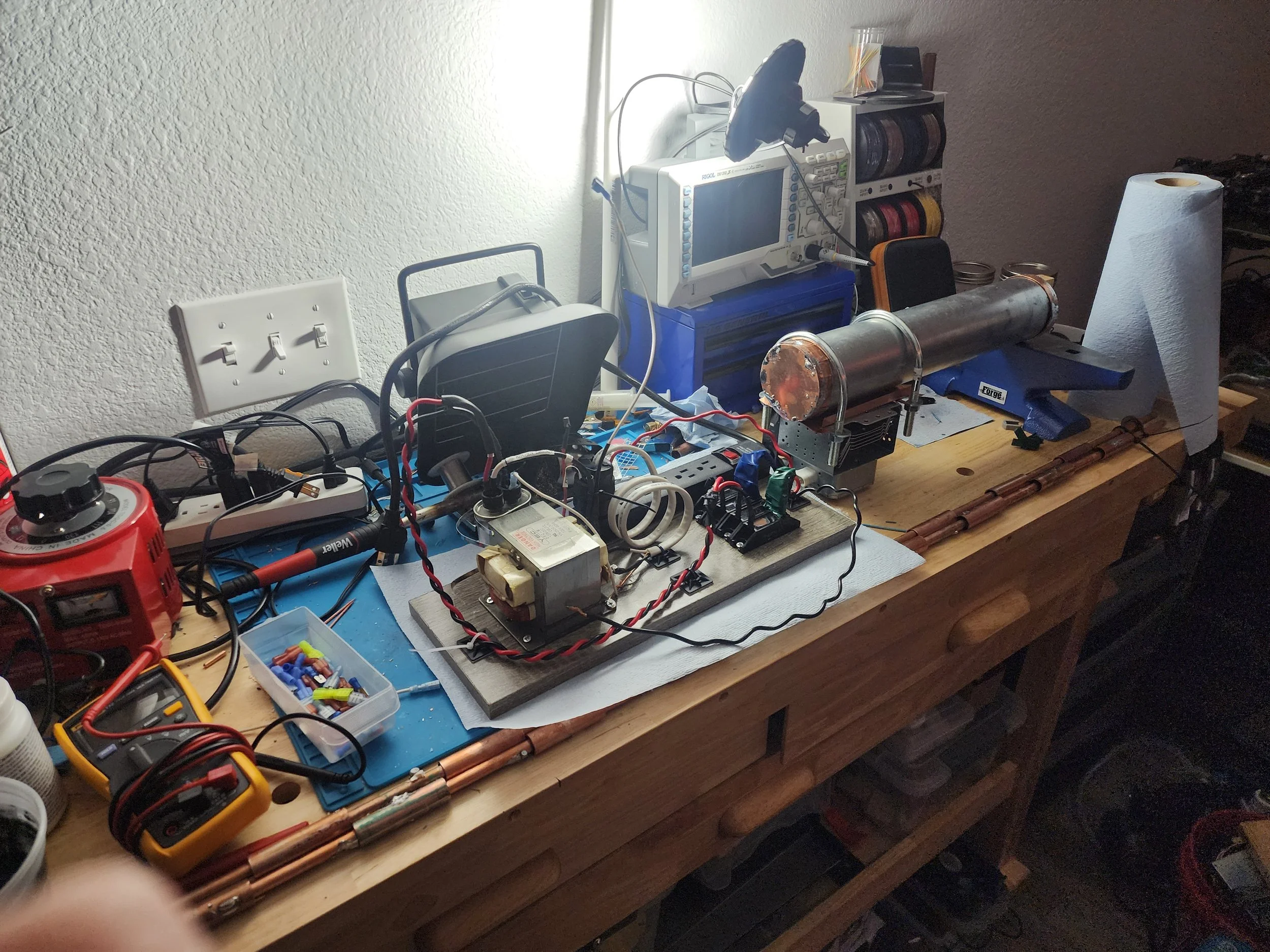
Initial Test Setup to measure the high-powered radiation of a 1kW Magnetron from a microwave oven.
The actual tests were performed outdoors, but this showcases the very hardware-store implementation of a half wave doubler with dispersed rectification to manage heat. Additionally the test antenna was a circular waveguide built from a tailpipe from autozone. Modified internally with copper structures to align with results obtained by a simulation that I designed to create a circular waveguide (non circularly polarized) capable of directing a low-ish loss wave in Transverse Electric 011 Mode (TE11).
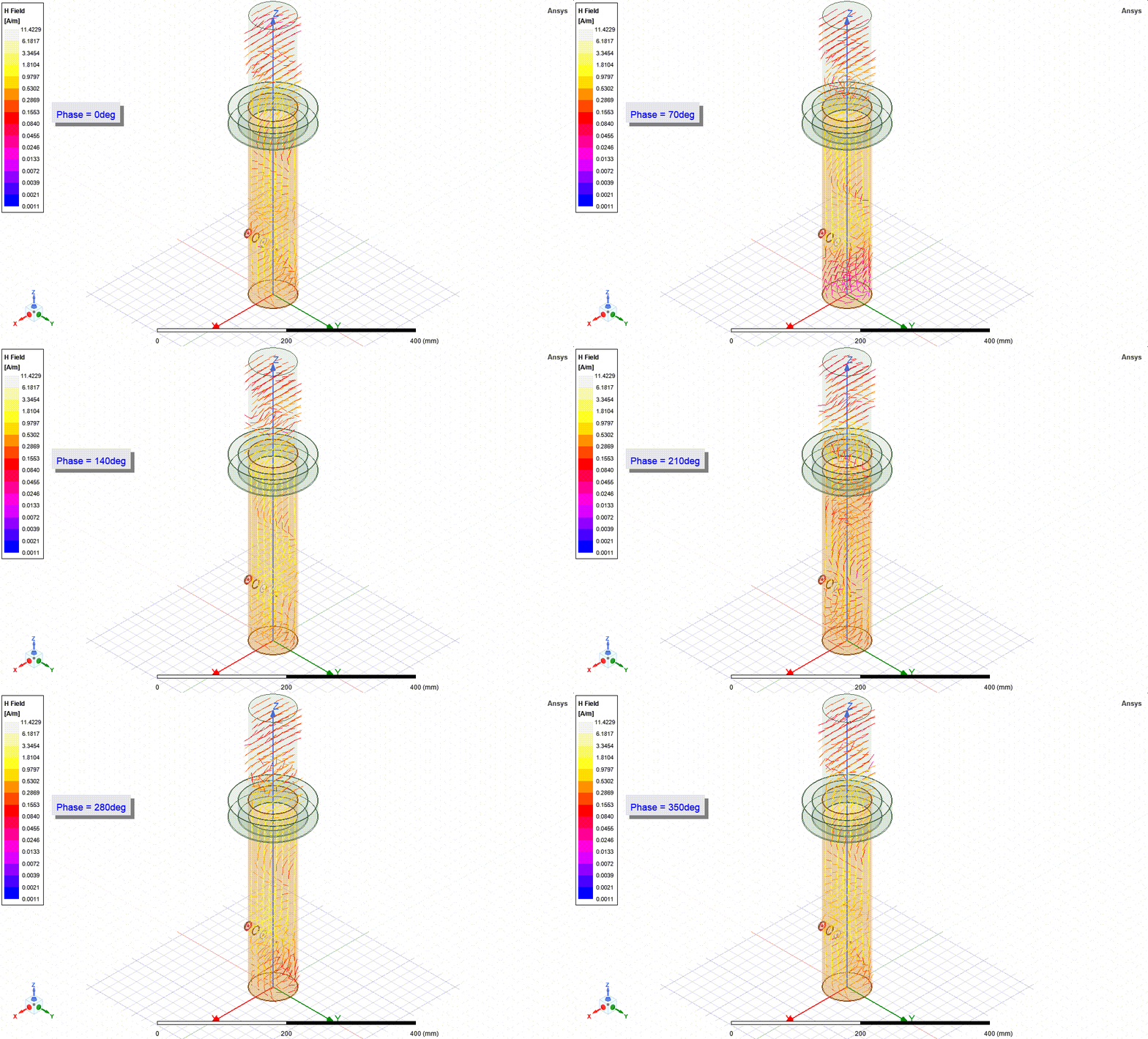
Base Simulation of Waveguide Animated H-Field
This was the base design that I Implemented with the steel pipe above. The actual radius of the internal structure of copper inside the pipe is adjusted slightly to maximize radiation with real world limitations and tuning.
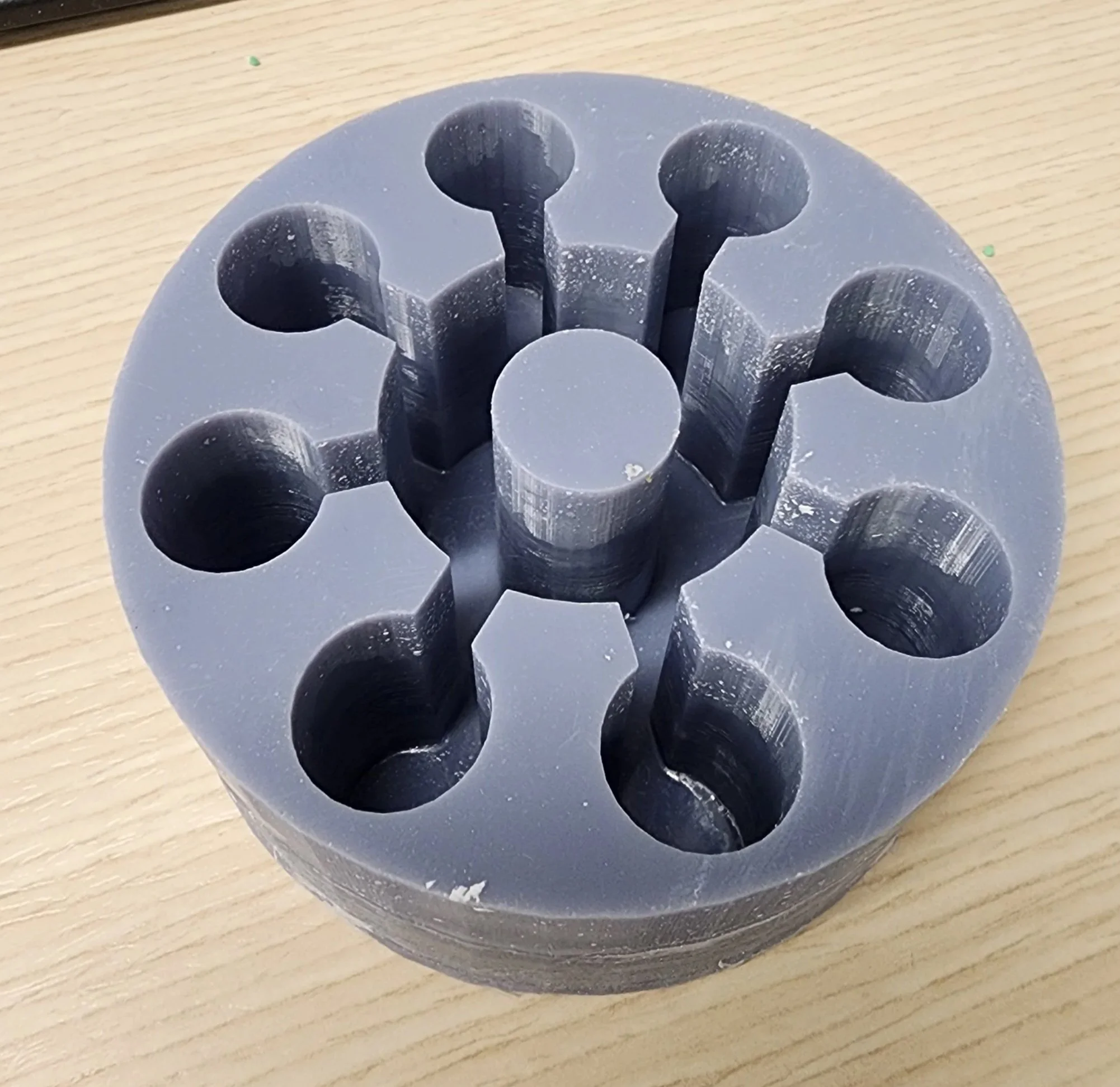
3D printed initial design
Magnetron simulation coming soon, but for now, here is a 3d printed version that I made for fun.
